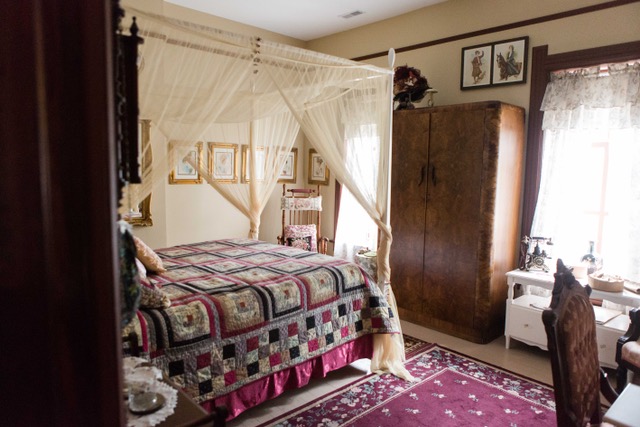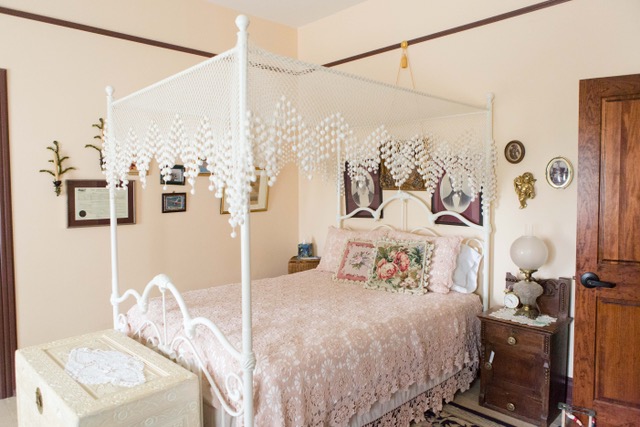

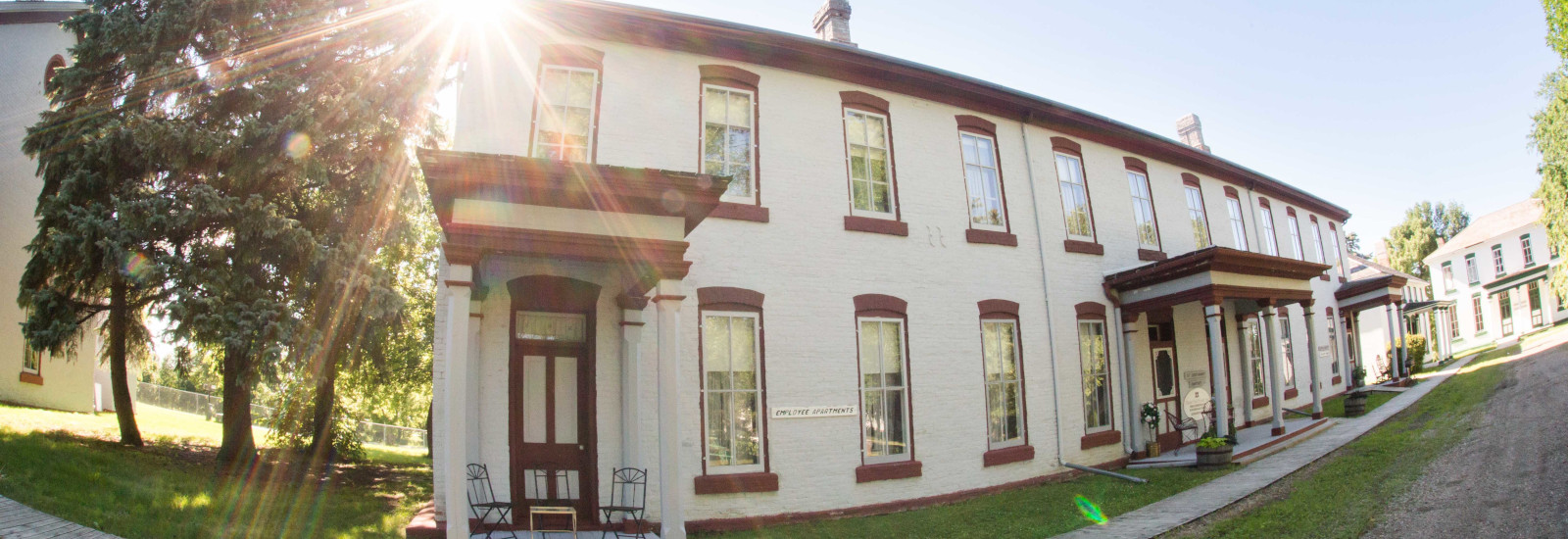
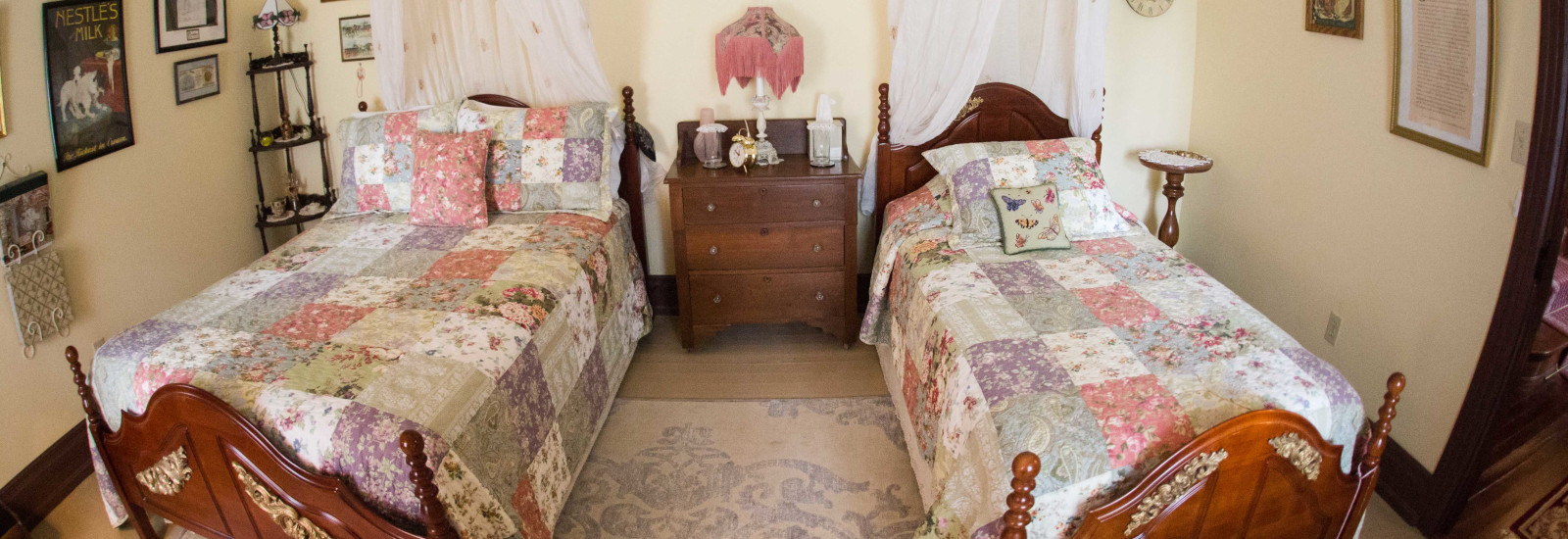

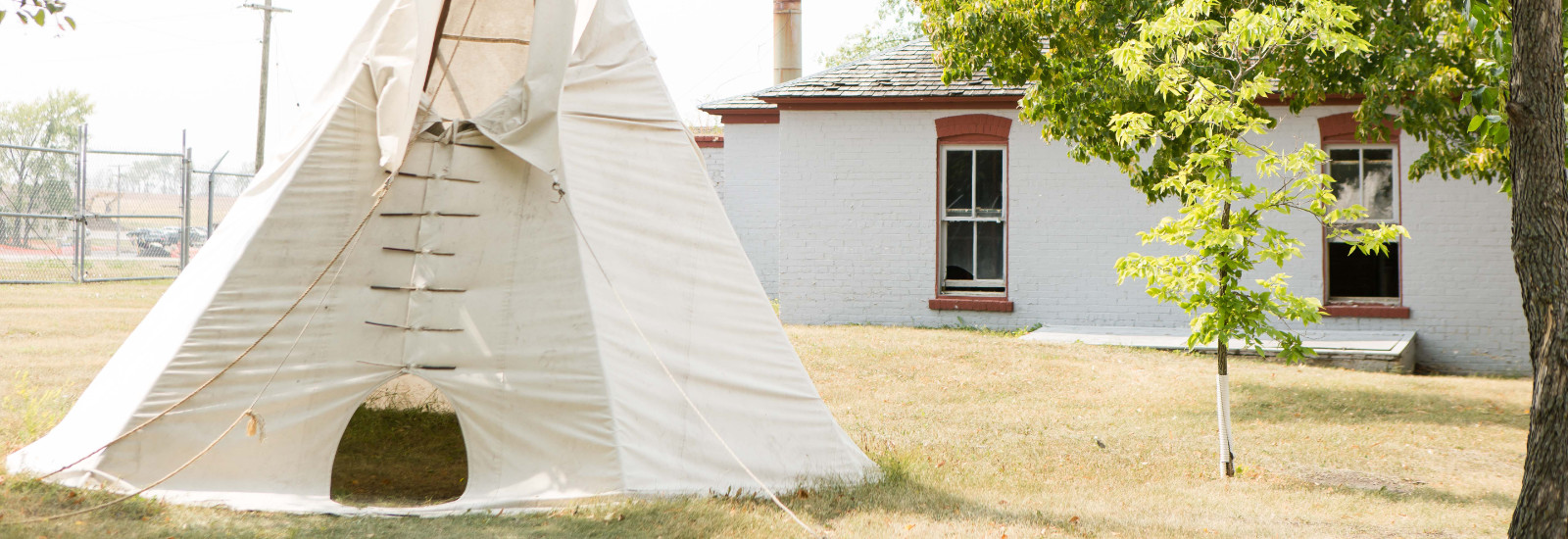
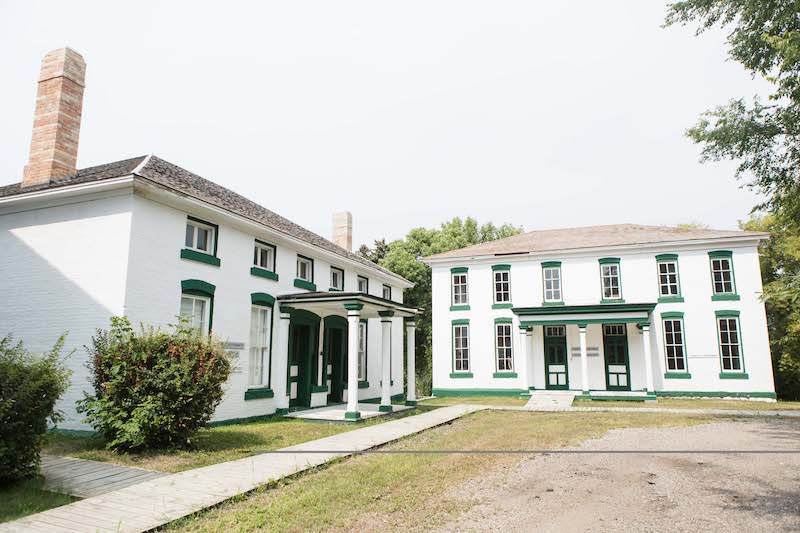
Welcome to the Totten Trail Historic Inn, a carefully renovated and preserved Inn located in the Fort Totten Historic Site.
Your interest in the Totten Trail Inn is greatly appreciated. We hope you enjoy the unique setting of the Fort and the beautiful facility we have worked extensively to preserve. The kitchen facility is available for paying guests. The Parlor is available for use by individuals, other than guest of the Inn, at a cost of $100. If you are interested in using the Parlor for a special event such as a party, family gathering or meeting, it is required that you speak to the Innkeeper about the availability.
Virtual tour produced by the Devils Lake High School TV Productions class.
If you have any questions, please utilize the contact information below to contact us.
Mailing Address:
FTSHS
4680 8th Ave. S
Fargo, ND 58103
Address:
4 Historic Square
Fort Totten, ND 58335
View Location Map
Click here to become a member of the Historic Site Foundation
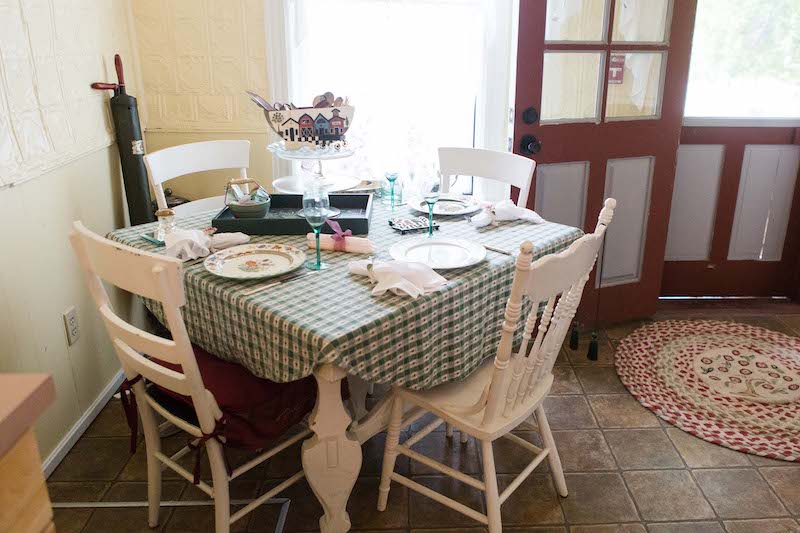
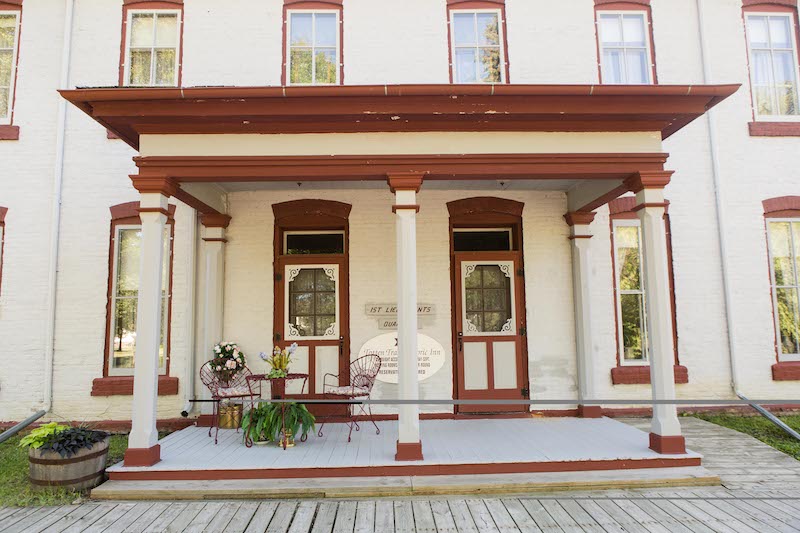
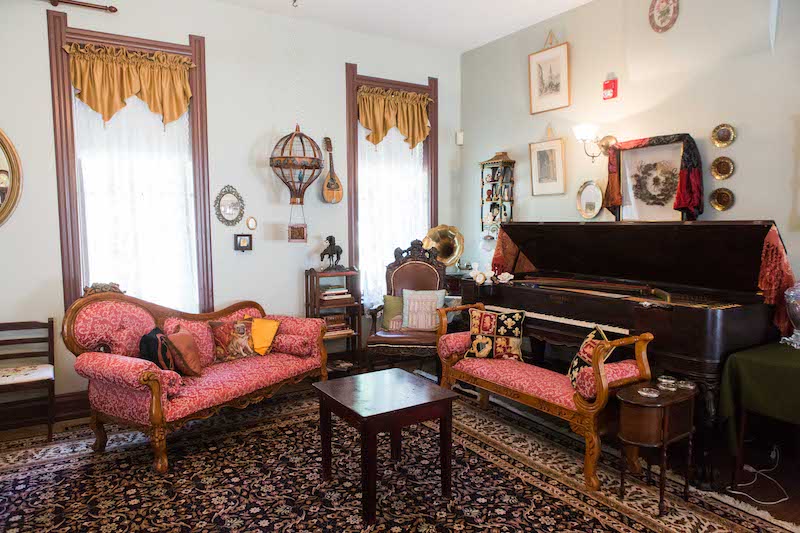
Click Here to Book Online with Airbnb
(use firefox or chrome to search)
Fort Totten, ND - Totten Trail Inn

Copyright © 2019 - 2026 Totten Trail Inn & its licensors.